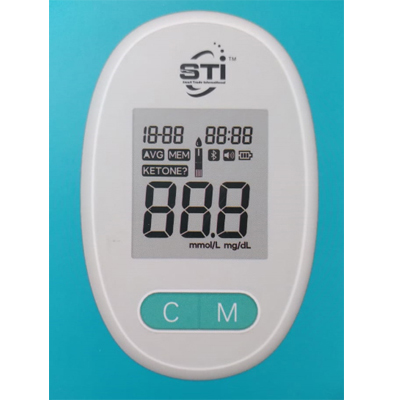
Blood glucose test strips are small, usually rectangular strips of material designed to be used with a glucose meter to measure blood sugar levels. They are typically made of a material that contains chemicals that react with glucose in a blood sample, causing a color change or a change in electrical conductivity that can be detected by the meter.
Here`s a more detailed look:
Key Features:
Chemical Composition:
The strips contain specific chemicals that react with glucose.
Reaction:
When a blood sample is applied to the strip, the chemicals react with the glucose, producing a signal that the meter can read.
Meter Compatibility:
Each meter brand and model is designed to work with specific types of strips, so it`s crucial to use the right strips for your meter.
Storage:
Test strips need to be stored properly (usually in a cool, dry place away from direct sunlight) to ensure their accuracy.
Expiration Date:
Strips have an expiration date, after which they may not provide accurate readings.
Qualitative vs. Quantitative:
Some strips are qualitative, meaning they indicate the presence or absence of glucose, while others are quantitative, providing a more specific measurement of glucose levels.
Clinical vs. Educational Use:
Some strips are specifically designed for educational purposes and are not suitable for clinical or diagnostic use.
How They Work:
Blood Sample:A small amount of blood is obtained from a finger prick or other site.
Strip Application:The blood sample is applied to the test strip.
Reaction:The chemicals on the strip react with the glucose in the blood, causing a signal.
Meter Reading:The glucose meter reads the signal and displays the blood glucose level.










-1-13.jpg)

-1-11.jpg)